



Do Fandeliers Work as Well as Ceiling Fans?

Shop the JAXON® Fandelier – Textured Satin Black →
Do Fandeliers Work as Well as Ceiling Fans?
One of the most searched questions online today is: Do fandeliers work as well as ceiling fans?
With their glamorous chandelier design and hidden fan blades, Fandeliers are becoming a popular choice for homeowners who want both airflow and statement lighting. But are they just stylish décor pieces — or can they truly cool a room effectively?
Let's break down how they compare in performance, airflow, room size compatibility, and overall value.
What Is a Fandelier?
A fandelier is a hybrid fixture that combines a chandelier with a ceiling fan. Unlike traditional fans with large, visible blades, fandeliers typically feature:
-
Smaller or retractable blades
-
A compact motor
-
Integrated LED lighting
-
Decorative crystal or modern design elements
Because of their design, many shoppers ask: Do fandeliers work as well as ceiling fans when it comes to airflow?
The answer depends on several important factors.
Airflow: Fandelier vs Ceiling Fan
When comparing a fandelier vs ceiling fan, the biggest difference is blade span.
Traditional ceiling fans:
-
Have blade spans between 48–60 inches
-
Move higher cubic feet per minute (CFM)
-
Are designed purely for air circulation
Fandeliers:
-
Usually have smaller blades
-
Produce moderate airflow
-
Prioritize aesthetics along with function
So, do fandeliers work as well as ceiling fans in large rooms?
In large living rooms or open-concept spaces, a traditional ceiling fan will typically move more air and cool more efficiently.
However, in small to medium rooms — such as bedrooms, offices, or dining rooms — many high-quality fandeliers provide more than enough airflow.
Room Size Matters

Shop the SANTIAGO® Fandelier – Aged Brass →
If you're wondering, do fandeliers work as well as ceiling fans in every room, the key variable is square footage.
Ideal for Fandeliers:
-
Hallways
-
Walk-in Closets
-
Apartments with lower ceilings
Better for Standard Ceiling Fans:
-
Great rooms
-
High-ceiling spaces
The smaller blade span of a fandelier means it's best suited to areas where extreme airflow isn't necessary.
Cooling Performance
Another way to answer do fandeliers work as well as ceiling fans is to evaluate motor power and CFM (Cubic Feet per Minute) ratings. Higher CFM indicates greater air movement, which is essential for proper cooling performance.
High-quality fandeliers today can produce between 2,000–4,000 CFM.
Traditional ceiling fans often produce:
-
4,000–7,000+ CFM
While that difference sounds dramatic, most bedrooms only require around 3,000 CFM for effective air movement.
So in practical everyday use, many homeowners find that yes — a quality fandelier cools their bedroom just as comfortably as a standard fan.
Recommended CFM by Room Size
When deciding whether a fandelier will provide enough airflow, it helps to understand how much CFM your space actually needs.
Here's a general guideline:
| Room Size (Sq. Ft.) | Recommended CFM | Best Fan Type |
|---|---|---|
| Up to 75 sq. ft. | 1,000–2,000 CFM | Small fandelier |
| 75–150 sq. ft. | 2,000–3,000 CFM | Fandelier or small ceiling fan |
| 150–225 sq. ft. | 3,000–4,000 CFM | High-performance Fandelier |
| 225–400 sq. ft. | 4,000–6,000 CFM | Standard Ceiling Fan |
| 400+ sq. ft. | 6,000+ CFM | Large Standard Ceiling Fan |
Energy Efficiency
Modern fandeliers often include:
-
DC motors
-
Integrated LED lighting
-
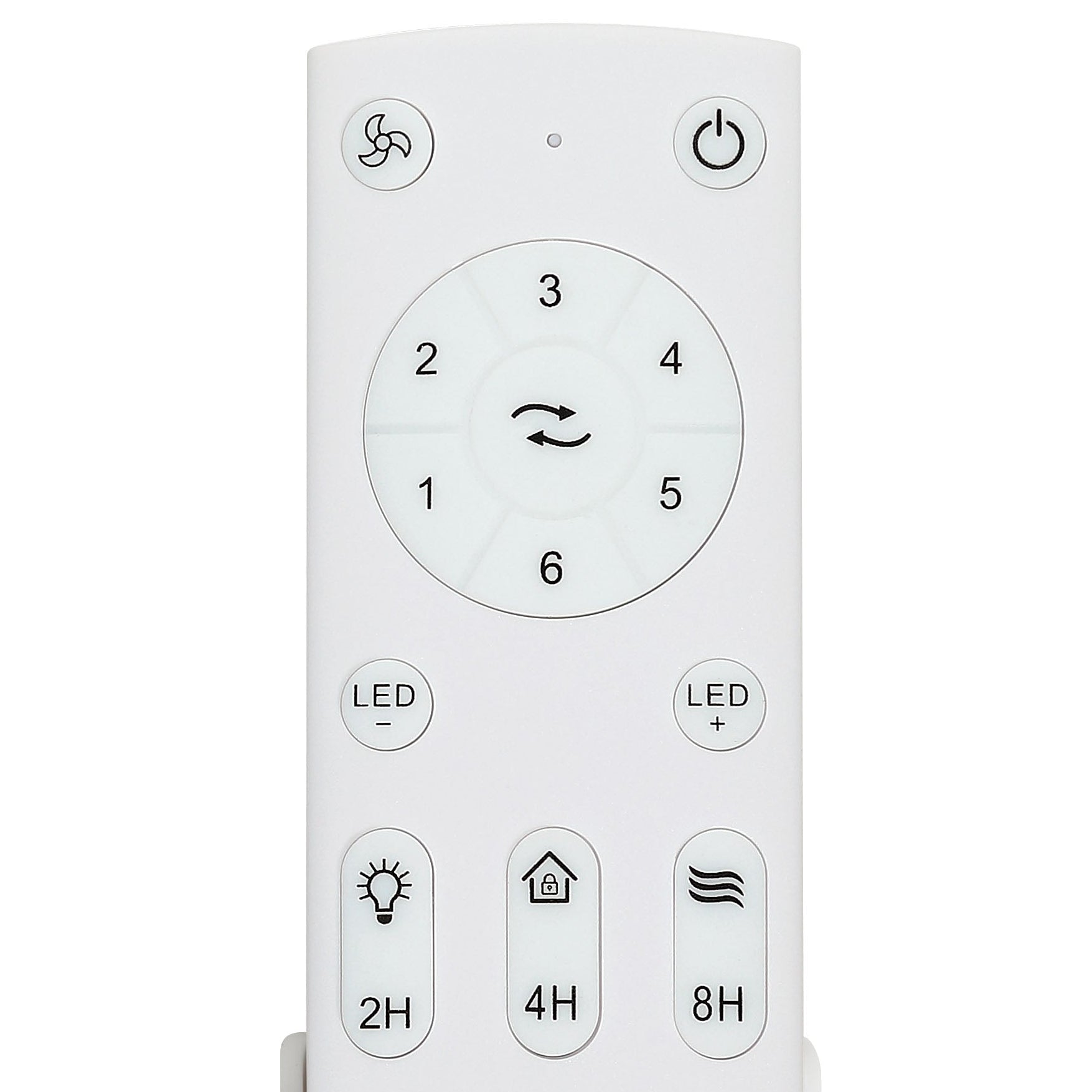
Remote controls
-
Multiple speed settings
In fact, many newer models are just as energy efficient as traditional fans.
If energy savings are a priority, the better question isn't just do fandeliers work as well as ceiling fans, but whether the specific model includes a high-efficiency motor.
Always check:
-
CFM per watt
-
Energy Star certification
-
Motor type (DC preferred)
Style vs Performance
Let's be honest — many people asking do fandeliers work as well as ceiling fans are drawn to the style factor first.
Fandeliers offer:
-
Refined, modern elegance
-
Elevated decorative detailing
-
Space-saving capabilities
-
A striking focal point that enhances the room
Traditional ceiling fans:
-
Focus more on airflow
-
Have visible blades
-
Lean toward practical design
If your space needs a statement piece that also provides airflow, a fandelier can absolutely deliver both — just in a slightly more balanced way between style and function.
When Should You Choose a Fandelier?
Choose a fandelier if:
-
You want a decorative lighting feature
-
The room is small to medium sized
-
Air circulation is helpful but not the sole priority
If maximum cooling power is your primary goal, a large-blade ceiling fan may still be the better option.
Final Verdict: Do Fandeliers Work as Well as Ceiling Fans?
So, do fandeliers work as well as ceiling fans?
In large, high-ceiling spaces — usually not. Traditional fans move more air.
In bedrooms, dining rooms, and smaller spaces — absolutely. A high-quality fandelier can provide effective airflow while adding a stunning design element.
The key is choosing the right size and motor strength for your space.
When selected correctly, a fandelier offers the perfect balance of beauty and performance. Browse our selection of Fandeliers to find the right size and style for your space.



Leave a comment
This site is protected by hCaptcha and the hCaptcha Privacy Policy and Terms of Service apply.